
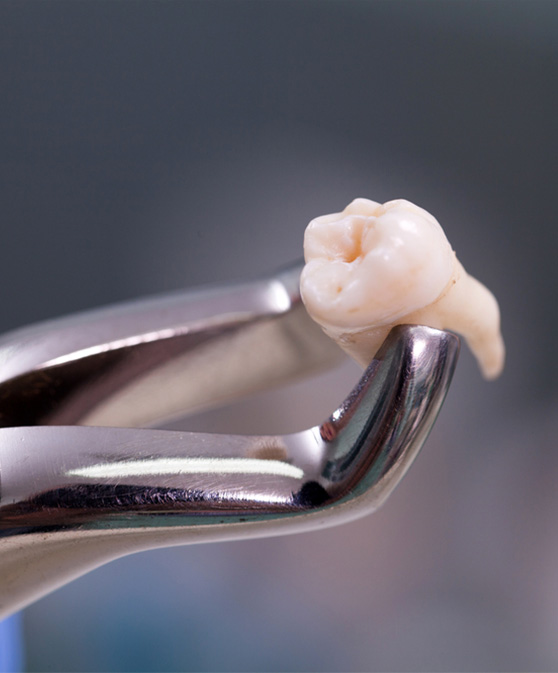
What Are Wisdom Teeth?
Wisdom teeth, also known as third molars, are the final set of molars to develop in the human mouth. They typically emerge between the ages of 17 and 25, a time traditionally associated with the "age of wisdom"—hence their name. While some people never develop wisdom teeth, most have between one and four. These teeth were more functional for our ancient ancestors, who relied on tougher, coarse diets that required robust molars for grinding. However, modern diets and dental evolution have rendered wisdom teeth largely redundant. What remains, instead, is often a source of discomfort and medical concern.Why Are Wisdom Teeth Extracted?
Not every individual requires wisdom teeth extraction. Some people have wisdom teeth that erupt without complications, aligning properly with their existing teeth. Others, however, face significant issues. Common reasons for extraction include:- Impaction: Wisdom teeth often fail to fully emerge, becoming "impacted" beneath the gum line. This can cause pain, swelling, and even infections.
- Crowding: Emerging wisdom teeth may push against neighboring teeth, leading to misalignment and disrupting orthodontic work or naturally straight teeth.
- Decay: Wisdom teeth are difficult to clean effectively due to their position at the back of the mouth, leaving them prone to cavities and gum disease.
- Cyst Formation: Rarely, impacted wisdom teeth can create cysts, leading to bone damage or other dental complications.
The Wisdom Teeth Extraction Procedure
Wisdom teeth extraction is a surgical procedure typically performed by an oral surgeon. While the specifics may vary based on individual circumstances, the process generally follows three main stages:1. Pre-Surgical Preparations
Before the procedure, your dentist or oral surgeon will conduct an evaluation to assess the position of the wisdom teeth, any potential complications, and your overall oral health. This often involves:- X-rays to examine the positioning of the wisdom teeth and identify any impaction.
- A discussion about anesthesia options, such as local anesthesia, sedation, or general anesthesia, depending on the complexity of the extraction and the patient's comfort level.
2. The Extraction Process
During the surgery, the oral surgeon makes a small incision in the gum tissue to expose the tooth and, if necessary, the surrounding bone. Depending on the tooth's placement and condition:- The tooth may be extracted in one piece or broken into smaller pieces for easier removal.
- Surgical tools are used to carefully extract the tooth while minimizing damage to the surrounding tissues.
3. Post-Surgical Recovery
Recovery is a critical phase of the process, requiring patients to follow specific care guidelines to promote healing and prevent complications such as dry socket (a painful condition where the blood clot protecting the extraction site becomes dislodged). Key recovery steps include:- Resting for at least 24 hours and avoiding strenuous activities for several days.
- Applying ice packs to reduce swelling.
- Eating soft foods (e.g., mashed potatoes, yogurt, or soup) and avoiding hot, spicy, or crunchy foods.
- Maintaining oral hygiene by rinsing gently with warm salt water and avoiding the surgical site when brushing.
What to Expect After Surgery
For most patients, the recovery process is straightforward, and within a few weeks, they are back to their normal routines without complications. However, it’s essential to recognize any signs of potential issues, including:- Prolonged pain or swelling lasting beyond the expected period.
- Signs of infection, such as fever, pus, or an unpleasant taste.
- Severe bleeding that does not resolve with applied pressure.
Myths and Facts About Wisdom Teeth Removal
Wisdom teeth extractions are subject to numerous misconceptions. Let's debunk a few of the most common:- Myth: Everyone has to have their wisdom teeth removed.
- Myth: Recovery is unbearably painful.
- Myth: It’s better to wait until wisdom teeth cause problems before removing them.