
What are the risks and benefits of Oil Pulling?
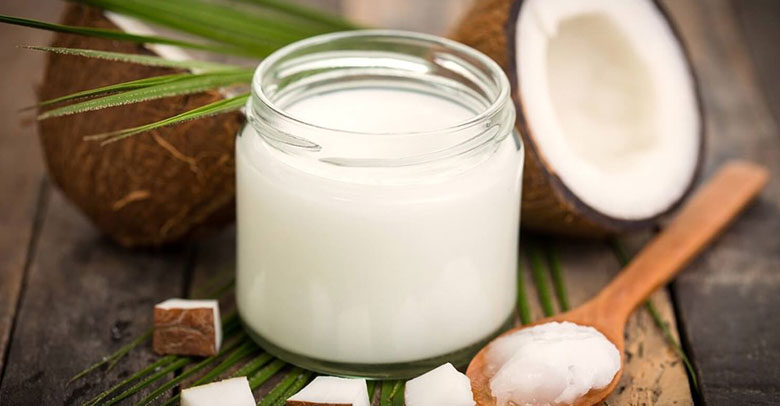
Oil pulling is the process of swishing a teaspoon of oil, most commonly coconut oil, for 20 minutes, and then spitting it out without swallowing any of it. The process of swishing dislodges the bacteria that are attached to teeth, and dissolves the pellicle.
Bacteria attach to teeth by attaching to a pellicle, which is a thin film of protein that acts like a glue that attracts bacteria. Bacteria then attach to one another, and incorporate tiny food particles, and thus develops what we call "dental plaque." Swishing coconut oil for 20 minutes disrupts the protein film, and thus prevents bacteria from attaching to teeth and to one another. Because it is thought that bacteria make acid when exposed to carbohydrates, if there is less bacteria attached to teeth, there may be less acid that is produced when a person eats simple carbohydrates. Acid causes teeth to lose minerals. On the flip side, the pellicle can be somewhat protective from a direct acid application. So, if you are about to eat a lemon, it would not be a good idea to do oil pulling immediately beforehand.
Many people notice that their teeth feel more smooth and attract less plaque after oil pulling. Oil pulling has also been found to decrease bad breath, as it is thought that bacteria that stays on the grooves of the tongue and between teeth contributes to bad breath.
Oil pulling does not have to be a chore. It can be done while showering, or while cooking, or at any time that one does not have to speak. Once a person tries oil pulling, the person is likely to notice a difference and decide to continue with it.
They say a habit takes 20 days to develop. If you'd like to make oil pulling a habit, just make yourself do it for 20 consecutive days by whatever means are necessary, and you may find that continuing the habit is easier than you thought. But keep in mind that if you will be exposing your mouth to acid immediately afterwards, then perhaps that is not the best time for oil pulling. Some people choose to do oil pulling in the evening, right before bedtime. That way there is less plaque on teeth while they sleep, and since no food will be eaten at night, the benefits may outweigh the risks.
Can You Oil Pull at Night, Before Bed?
Yes, you can oil pull at night. The traditional recommendation is to oil pull first thing in the morning on an empty stomach, but there is nothing harmful about swishing coconut oil in the evening instead. For many people, oil pulling before bed is simply the easiest time to build the habit, and consistency matters more than the time of day.
Tips for oil pulling before bed
- Use about a teaspoon of coconut oil and swish gently. Work up to 15 to 20 minutes over time.
- Never swallow the oil. It carries the bacteria and debris you are trying to remove.
- Spit the used oil into the trash, not the sink, since coconut oil can solidify and clog drains.
- Rinse with warm water, then brush and floss as usual before going to sleep, so loosened plaque and bacteria do not sit on your teeth overnight.
Whether you swish in the morning or at night, remember that oil pulling is a supplement to brushing, flossing, and regular dental checkups, never a replacement for them. If you have questions about natural oral care, contact our Sacramento holistic dental office and we will be happy to help.