
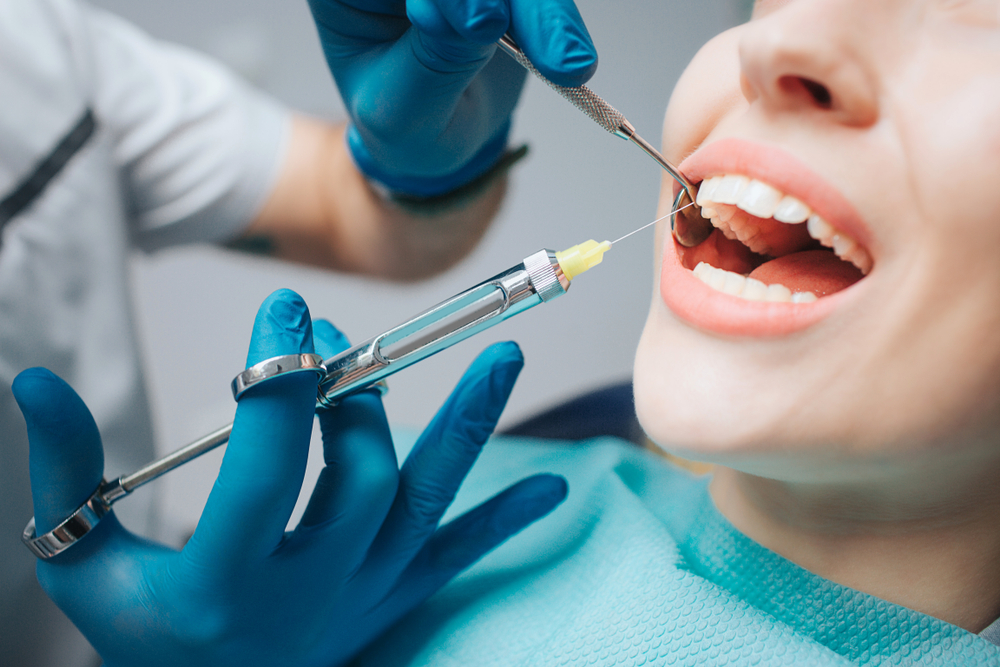
Understanding the Types of Dental Anesthesia
Anesthesia is a critical element of modern dentistry, ensuring that patients experience minimal discomfort during various procedures, from basic fillings to complex oral surgeries. While you might have encountered dental anesthesia during a routine visit, understanding its different types, their applications, and how they work can demystify the process and make any future dental visits far less intimidating. This comprehensive guide will explore the various types of dental anesthesia, their specific uses, and what patients—especially teens and young adults—should know about how they function.What Is Dental Anesthesia?
Dental anesthesia refers to medications or techniques used by dentists to block pain or sensation during dental procedures. Whether it’s a minor tooth cleaning or a more significant surgery like wisdom tooth extraction, anesthesia ensures that procedures proceed with little to no discomfort. It can vary in application and strength depending on the procedure and the patient's specific needs. Understanding the different forms will illuminate what happens during a dental visit and how dentists tailor their approach for comfort and efficiency.Types of Dental Anesthesia
1. Local Anesthesia
Local anesthesia is the most common type of anesthesia used in dental procedures. It is specifically designed to numb a particular area of the mouth, such as around a tooth or gum tissue, without affecting consciousness. The most widely utilized local anesthetic in dentistry is lidocaine. Dentists may administer local anesthesia via injection, targeting nerves responsible for sensation in the treatment area. Often, a topical anesthetic will be applied to the skin or gum surface before the injection to reduce discomfort. Uses:- Fillings for cavities
- Tooth extractions (excluding wisdom teeth)
- Deep cleaning for gum treatment
- Quick pain relief localized to a specific area
- Patients remain fully conscious and responsive
2. Sedation Anesthesia
Sedation anesthesia is utilized when patients need assistance relaxing or becoming less aware of their surroundings during a procedure. It doesn't necessarily block pain but reduces anxiety and discomfort, often used in combination with local anesthesia for comprehensive care. Sedation can be delivered orally, intravenously (IV), or via inhalation. The most common types include nitrous oxide (laughing gas), oral sedatives (such as diazepam), and IV sedatives. Levels of sedation range from mild to deep. Uses:- Wisdom tooth extractions
- Procedures for anxious patients
- Dental implant placement
- Reduces anxiety and creates a calmer experience
- Suitable for short or long procedures
- Patients may have little to no memory of the procedure
3. General Anesthesia
General anesthesia involves the patient being entirely unconscious rather than merely numbed or sedated. This method is reserved for more complex cases or individuals who cannot undergo conventional anesthesia or sedation due to extreme dental anxiety or physiological reasons. Unlike local anesthesia, general anesthesia isn’t performed at most general dental practices. Instead, it is typically administered in a specialized facility with anesthesiologists present. Uses:- Emergency oral surgeries
- Complex jaw surgeries
- Removal of severely impacted wisdom teeth
- Complete loss of sensation and awareness
- Ideal for long, complicated procedures or extreme cases
4. Topical Anesthesia
Topical anesthesia involves the application of an anesthetic gel, liquid, or spray to numb just the surface of gums or other areas inside the mouth. While not sufficient for intensive procedures, it effectively reduces pain associated with needle injections or minor surface-level treatments. The active ingredient often includes benzocaine or lidocaine. Uses:- Reducing discomfort before administering an injection of local anesthesia
- Temporary relief for mouth sores
- Fast-acting and easy to apply
- Minimal side effects since it doesn’t penetrate deeply into tissues
How to Prepare for Dental Anesthesia
Understanding what to expect can ensure a smoother dental experience. Here are some preparation tips depending on the type of anesthesia you'll receive.Discuss Medical History with Your Dentist
Openly share your complete medical history, including any allergies, ongoing medications, or previous adverse reactions to anesthesia. This will allow the dentist to tailor the anesthetic approach to your needs.Follow Diet Guidelines
For sedation or general anesthesia, your dentist may ask you to avoid eating or drinking for a specific period prior to the procedure. Always follow their instructions to avoid complications.Arrange Transportation Home
If you’re undergoing any procedure involving sedation or general anesthesia, arrange for someone to drive you home. The lingering effects can impair coordination and judgment even after the procedure is complete.Benefits and Risks of Dental Anesthesia
While dental anesthesia greatly minimizes pain and anxiety, it’s essential to acknowledge both the benefits and potential risks associated with its use. Benefits:- Virtually painless dental procedures
- Ability to undergo complex treatments comfortably
- Significantly reduced fear or anxiety in nervous patients
- Minor side effects (e.g., temporary swelling or bruising at the injection site)
- Rare allergic reactions to anesthetics
- Over-sedation or complications with general anesthesia if improperly managed